Until then the peptide problem is growing and changing every day and it likely will remain one of the biggest challenges for retailers, anti-doping authorities, government regulators, the medical community, and consumer safety advocates to address over the next decade or more

From a laboratory medicine perspective, the Association for Clinical Biochemistry and Laboratory Medicine (ACB) and the Royal College of Pathologists (RCPath) advise that: HbA1c may be unreliable in the presence of haemolytic anaemia, haemoglobinopathies, or nutritional deficiencies affecting red cell biology and the direction of distortion may be high or low Clinicians should document any known haematological conditions when requesting HbA1c, so laboratory staff can flag potential inaccuracies Serum B12 testing should be considered in patients on long-term metformin who are symptomatic or have risk factors for deficiency, in line with MHRA and NICE advice Alternative tests fasting plasma glucose, OGTT, or interim use of fructosamine/glycated albumin should be considered when HbA1c reliability is in doubt The NHS website (nhs.uk) provides patient-facing information on the HbA1c test and factors that can affect its accuracy, which patients may find a useful starting point
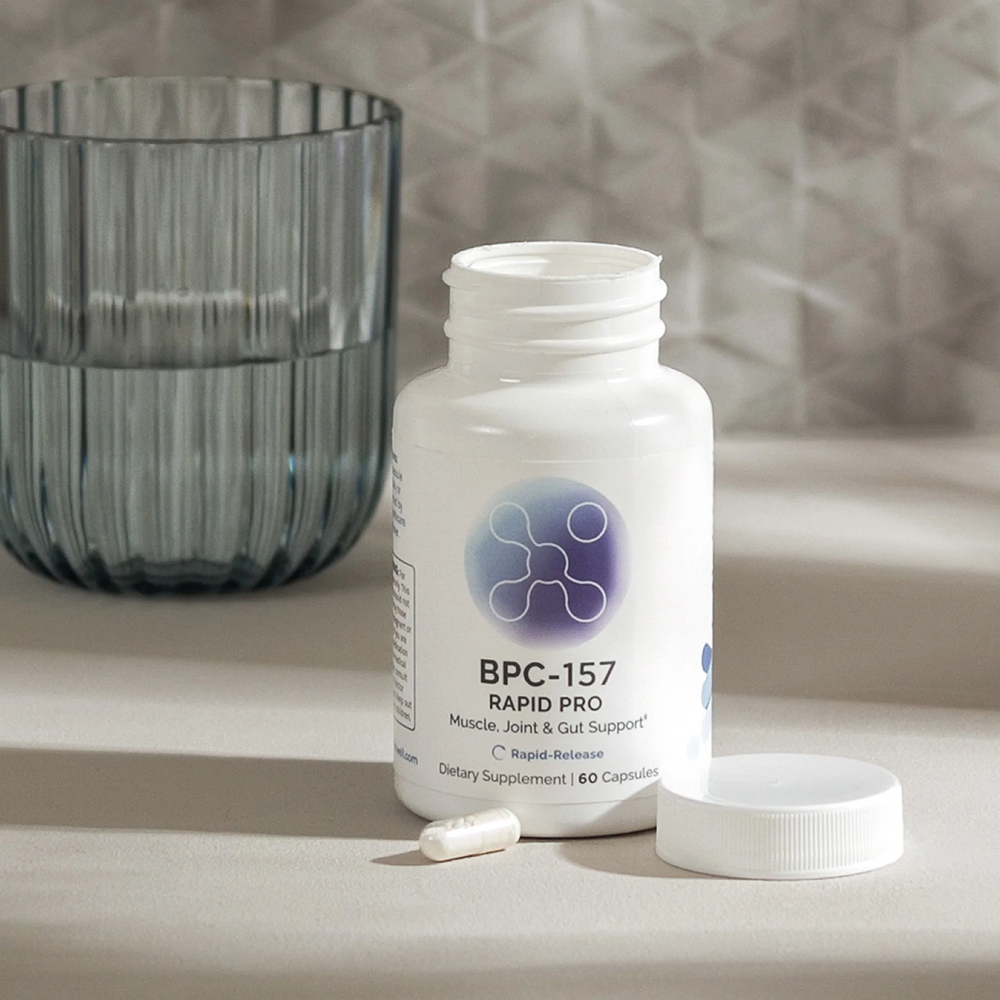
Also, so far no issues with my Wolverine stack and will be starting my retatrutided in a few weeks when I finish my prescription
These outcomes are typically evaluated using migration assays, actin filament staining, and kinase phosphorylation analysis


