More recent work continues to support this mechanism (Walker, 2006)
Its not directly comparable to BPC-157 but may complement it in dogs dealing with chronic inflammation, poor coat quality, or cognitive changes in older age
Second, as a stimulant, long-term use is generally avoided to prevent potential strain on the cardiovascular system and to minimize the risk of dependency
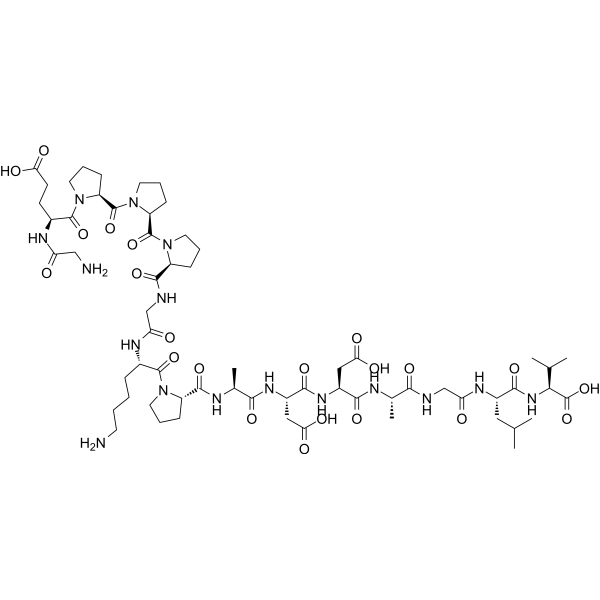
Laboratory research demonstrates that BPC-157 treatment accelerates wound healing in diverse injury models including alkali burns, surgical incisions, and chronic wounds, with the peptide enhancing proliferation, migration, and angiogenesis in vitro through dose-dependent ERK1/2 phosphorylation leading to increased cellular proliferation, migration, and vascular tube formation