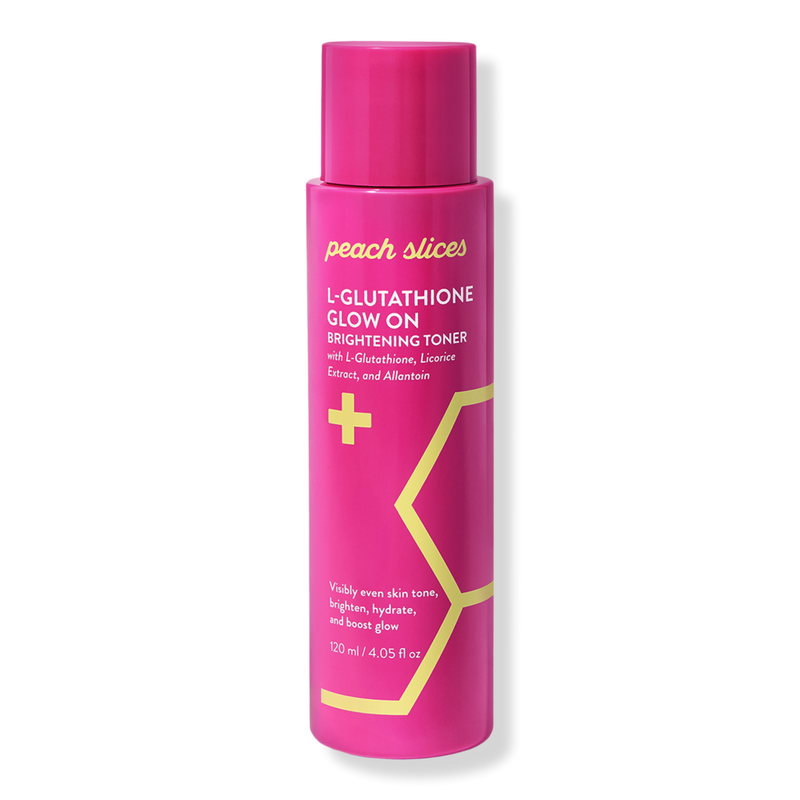
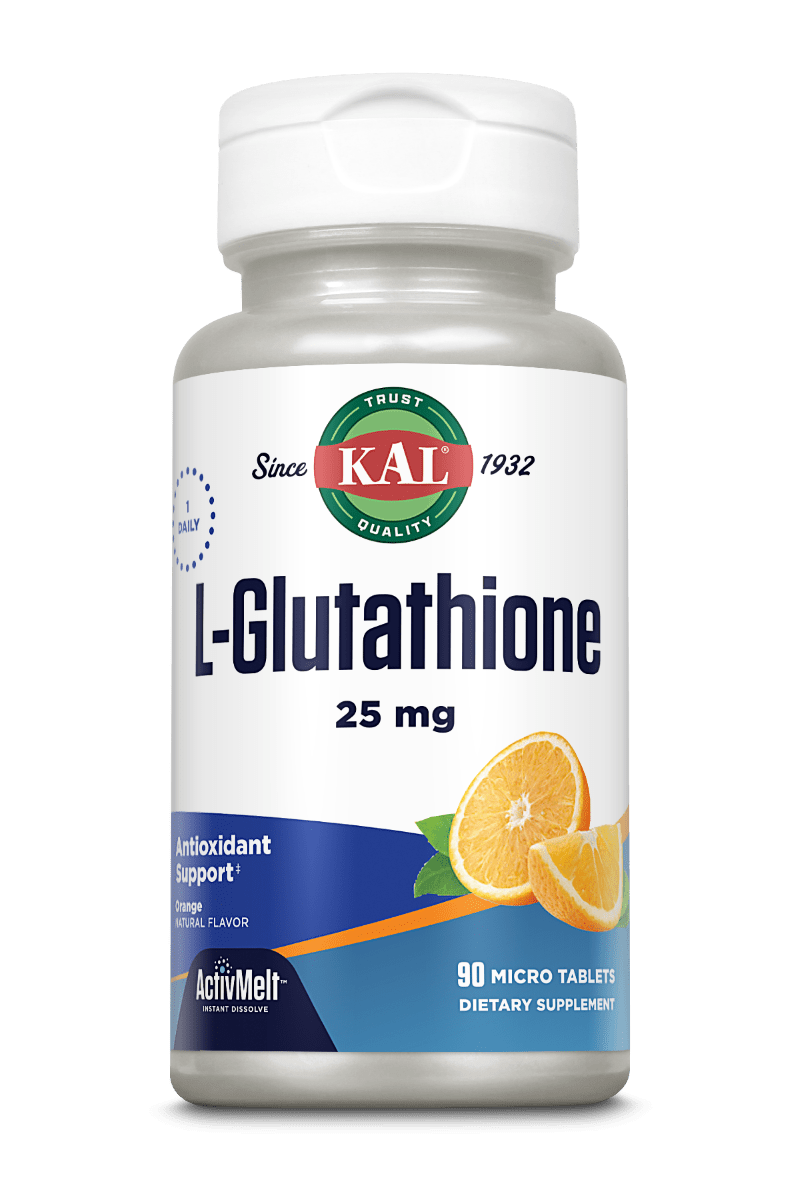
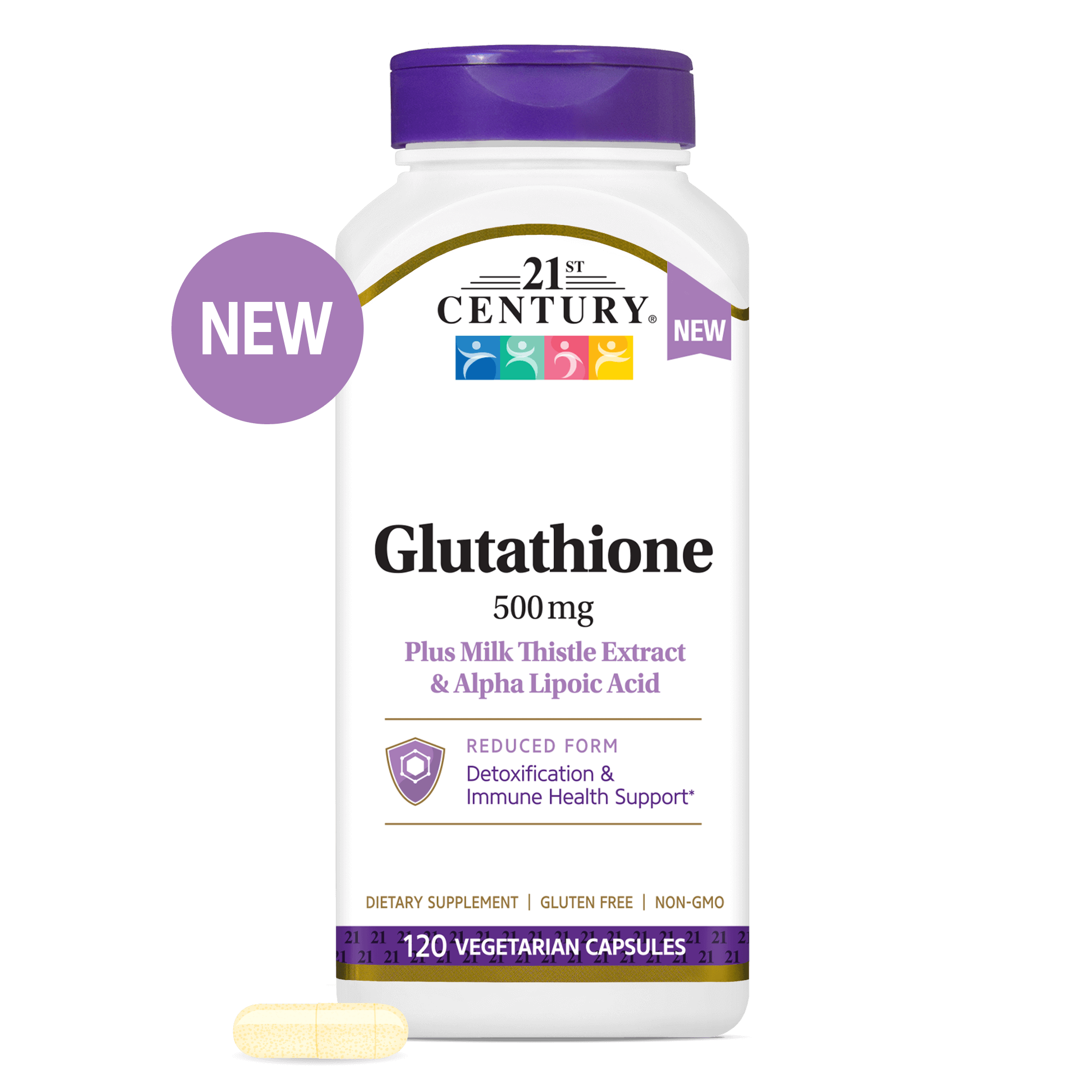
Scientific research on oxidative stress shows that people with low glutathione levels face higher risks of chronic diseases including cancer, heart disease, and autoimmune conditions
The following are possible outcomes and benefits for individuals using tesofensine: Decrease in body weight and reduction in BMI Improvements in waist and hip circumference Decreased body fat Decreased visceral fat Decreased very-low-density lipoprotein & triglycerides Decreased insulin Better regulation of glucose metabolism Potential of reversing early type 2 diabetes In general, tesofensine is very well tolerated with few adverse effects and very similar to placebo

Act 3: The Stacking Question What Longevity Experts Say About Combining Both The most sophisticated practitioners in the longevity space don't typically ask, "Should I use GLP-1 or BPC-157?" Instead, they ask, "When does each one belong in a protocol, and can they safely coexist?" The Complementary Logic Longevity-focused physicians and sports medicine practitioners have begun articulating a clear rationale for combining these compounds in specific patient profiles: The GLP-1 Layer: Addresses the metabolic side (reducing fat, improving insulin, lowering cardiovascular risk)
Popular products include Hoggar Night sleep tablets, Schlafsterne, and Sab Simplex drops for relieving bloating and abdominal discomfort in babies