Examples include: Wound repair models that require fibroblast migration, extracellular matrix deposition, and remodeling Tendon/ligament repair models focused on cell survival, growth and restoration of tissue organization[1] Research in fibrosis and remodeling where thymosin beta-4 related pathways are of interest[2] Studies associated with angiogenesis (e.g., when vascular support is a limiting factor in tissue regeneration) [5] Since synergy is an outcome claim that must be demonstrated experimentally, it is hypothesized here: if BPC-157 and TB-500 affect different critical points of repair (e.g., gene expression versus cytoskeleton mobilization), combined administration in preclinical designs could produce additive or multiplicative improvements in migration rate, wound closure, tissue organization, or histological markers of remodeling, depending on the model and evaluation criteria
As a result, clear solution is collected
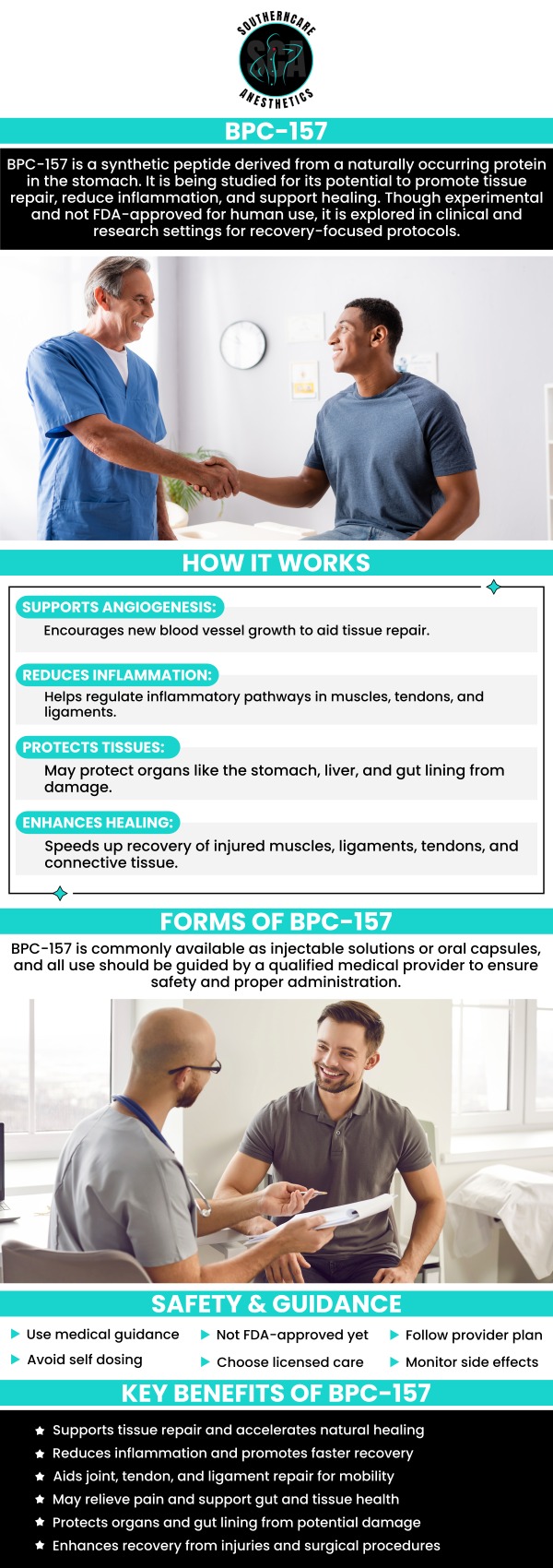
If you have been looking into BPC-157 and TB-500 on your own, you already know the basics: two peptides, both linked to faster healing, less inflammation, and better recovery from injuries
Effects of AOD-9604 on adipose tissue and metabolic function: A clinical review