View Protocol Complete dosage protocol and reconstitution guide for MOTS-C (20 mg Vial)
Future efforts should leverage multi-omics technologies to elucidate its mechanisms, develop intelligent and personalized therapeutics, and conduct large-scale clinical trials to accelerate translational applications and improve patient outcomes
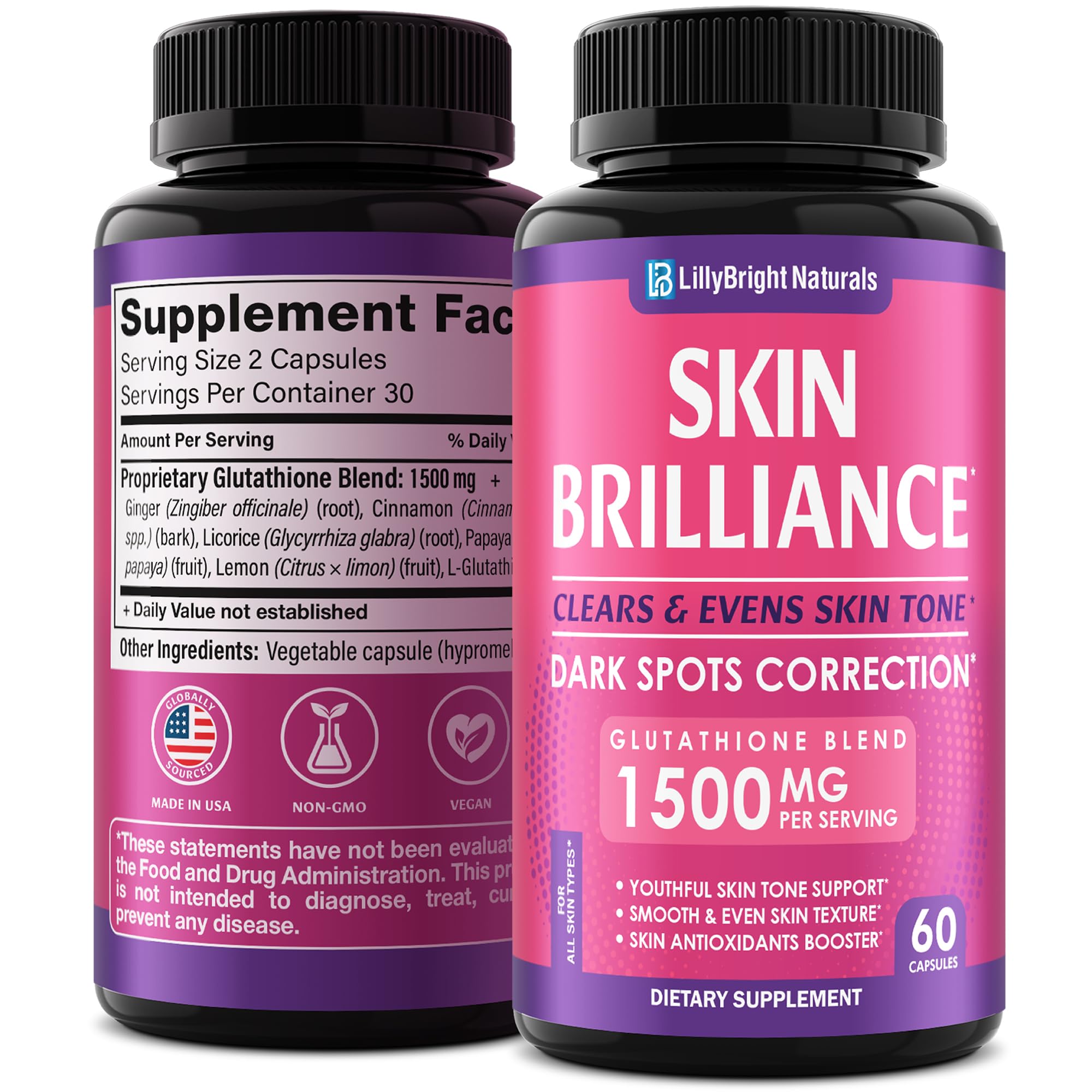
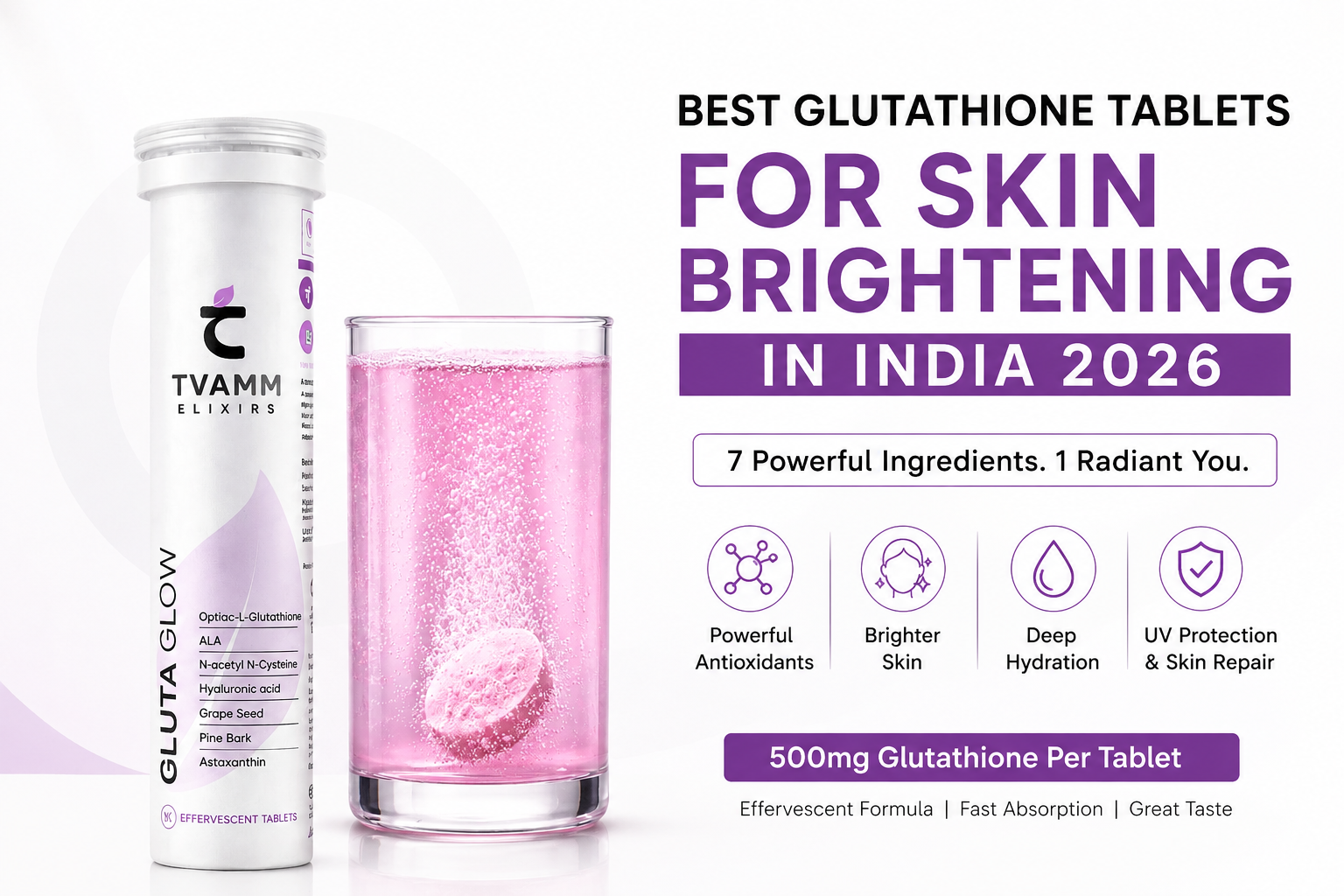
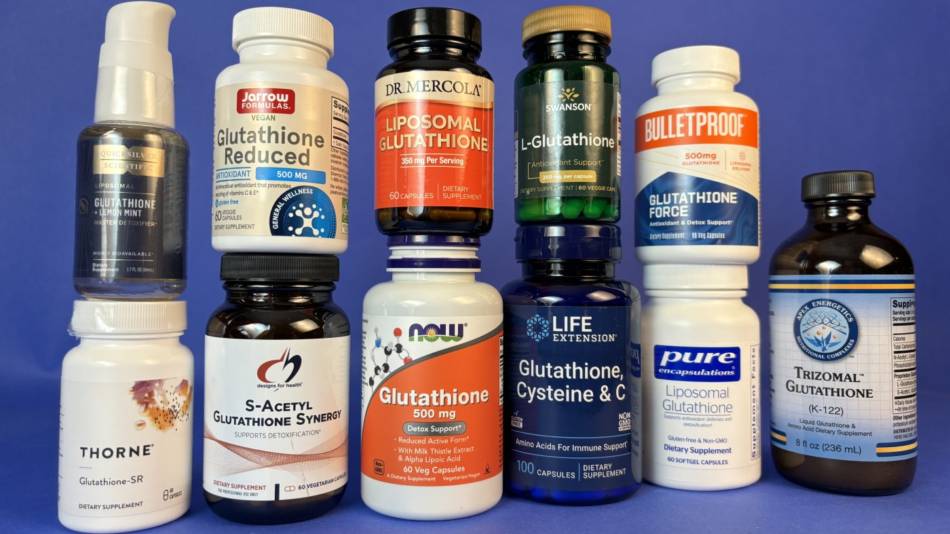
Commonly known as the bodys master antioxidant, it plays a crucial role in cellular protection, detoxification, and overall immune health
Factors That Affect Testosterone Production Several factors directly influence testosterone levels: Blood flow to the testes: Adequate vascular perfusion is necessary for Leydig cell function Inflammation: Chronic systemic inflammation suppresses HPG axis signaling (Tremellen, 2016) Oxidative stress: Excessive reactive oxygen species damage Leydig cells and impair steroidogenesis Sleep quality: Testosterone production peaks during deep sleep (Leproult & Van Cauter, 2011) Body composition: Excess adipose tissue increases aromatase activity, converting testosterone to estrogen Nutritional status: Deficiencies in zinc, vitamin D, and magnesium impair testosterone synthesis This is where BPC-157 becomes relevant to the conversation not because it directly produces testosterone, but because it may influence several of these upstream factors